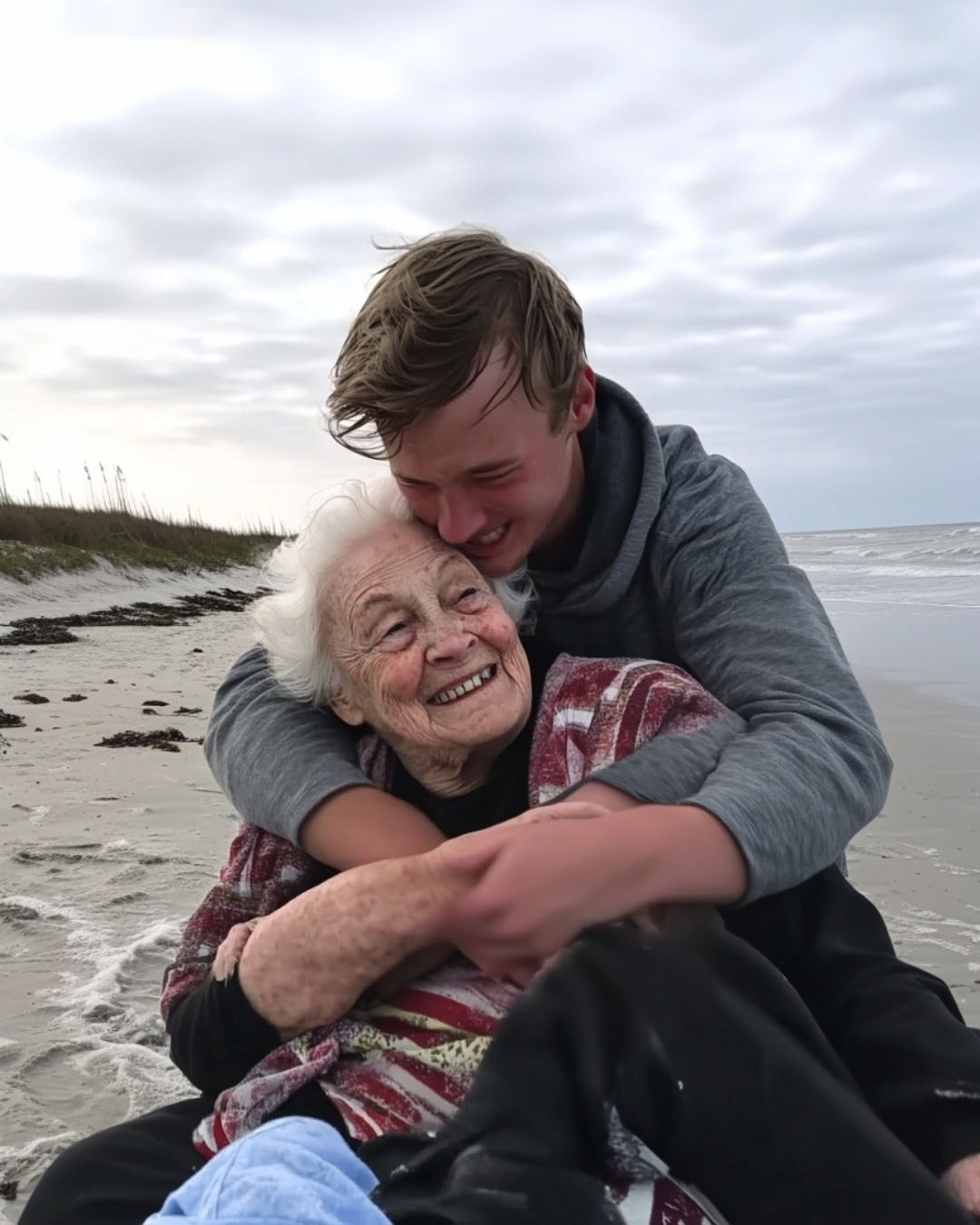
When my grandmother’s dementia worsened, it became increasingly difficult to visit her. She often forgot who I was or confused me with other people from her past. One afternoon, while I was helping her with lunch, she looked at me and called me by my grandfather’s name. I froze, unsure how to respond. At first, I gently corrected her, but she only smiled and repeated it, speaking to me as if I were her late husband. The moment was heartbreaking and unsettling, and I left the visit feeling overwhelmed by the weight of her confusion.
I confided in my mother, who suggested I try to see it from Grandma’s perspective. “She’s not confusing you out of malice,” she said. “She’s holding on to the love she had for Grandpa.” That insight stayed with me during my next visit. When she called me her husband again, I decided to play along, answering with a soft smile instead of resistance. Her face lit up, and she began recounting stories from their early days together, her voice filled with joy and tenderness. For the first time in weeks, she seemed truly happy.
As I listened to her, the truth hit me—this wasn’t about her forgetting who I was but about her remembering the love and companionship she shared with my grandfather. To her, I had become a living connection to a time in her life when she felt deeply loved and safe. Though the situation was bittersweet, I realized I could offer her comfort by stepping into the role she needed me to fill, even if only temporarily.
From then on, I approached our visits with a new perspective. Each time she mistook me for my grandfather, I embraced the opportunity to bring her some peace and happiness. It wasn’t always easy, but it taught me a profound lesson about love and selflessness. Sometimes, caring for someone means letting go of your own expectations and simply meeting them where they are, even if it’s in a memory they hold dear.