When my mother fell ill, I took on the responsibility of managing her care and home. She had always been fiercely independent, but as her health declined, she needed more help. I hired a caregiver, Melissa, who came highly recommended, and for a while, everything seemed fine. But then small things began to go missing: a necklace here, a few bills from her purse there. At first, I thought my mother might have misplaced them, given her medication’s side effects. But when my late father’s watch disappeared—a cherished family heirloom—I knew something was wrong.
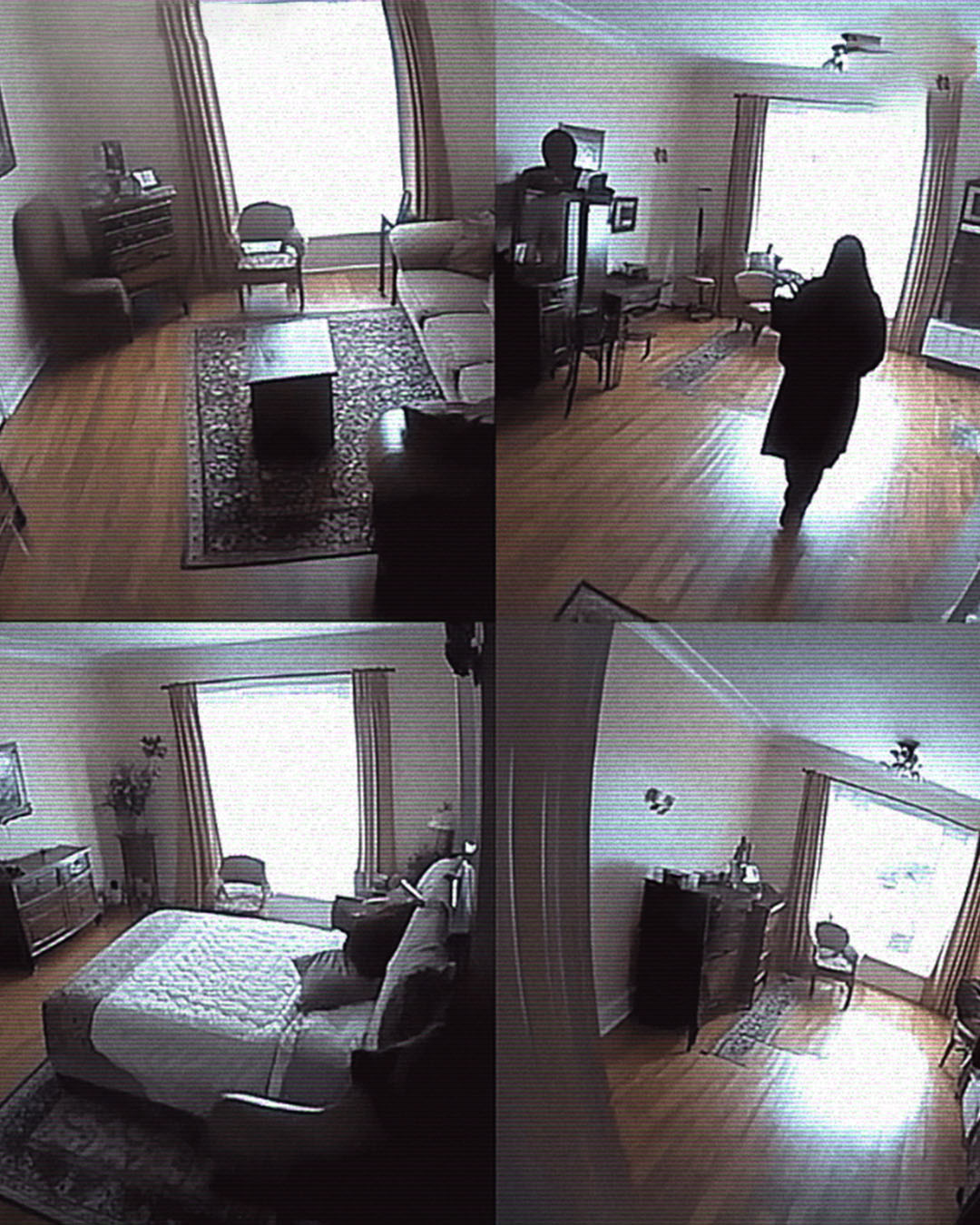
I decided to install hidden cameras in the house, hoping to put my suspicions to rest. Reviewing the footage the next day, I was horrified. Melissa, the woman I had trusted to care for my mother, was caught red-handed. She was rifling through drawers, pocketing cash, and even trying on my mother’s jewelry. But the most chilling moment was when she sat down in the living room, mocking my mother’s frailty to someone on the phone, laughing as if her vulnerability were a joke. My hands trembled as I watched, anger and betrayal coursing through me.
The next day, I confronted Melissa. At first, she denied everything, but when I mentioned the cameras, her face went pale. I fired her on the spot and reported her to the authorities. It turned out she had a history of similar offenses but had managed to hide them well enough to keep getting hired. My mother was heartbroken, not just because of the theft but because she had grown to trust Melissa. It was a painful reminder of how easily the most vulnerable can be exploited.
I learned a hard lesson about vigilance that day. Moving forward, I took extra precautions to ensure my mother’s safety and well-being, thoroughly vetting anyone who entered her home. The incident left scars, but it also strengthened my resolve to protect her at all costs. Most importantly, it reminded me to never take trust for granted—because while it can be a lifeline, it can also be a weapon in the wrong hands.